Equipment rental insurance in France: questions to ask your insurer
There is no universal policy for every rental company. Identify loss scenarios and obtain written confirmation of each guarantee.
By Louez.io · · 10 min

Starting a rental business in France? Use this guide to describe your risks to an insurer or broker. It does not select cover for you: request a written proposal tailored to your activity, equipment and services. The French sources below do not establish requirements in other countries.
French public guidance notes that insurance is mandatory for certain regulated professions while other businesses still need to assess their exposure. General liability, property cover, and motor insurance have different purposes; a product name alone never proves cover.
Map loss scenarios before requesting a quote
List what can happen at the premises, to stock, in transport, at the customer site, and during installation. Separate damage to your own asset from injury or damage caused to someone else. Include theft, fire, water, incorrect installation, maintenance failure, and business interruption.
For each scenario, estimate plausible severity, frequency, and available evidence. This gives an insurer more useful information than the generic phrase “equipment rental.”
Clarify the liability perimeter
Ask whether liability applies during preparation, delivery, installation, customer use, and collection. Disclose technical services and usage advice. Check limits, deductibles, territories, customer types, and exclusions.
An asset entrusted to a third party and one under your care may be treated differently. Ask explicitly and request written confirmation using examples from your fleet.
Protect the fleet and transport separately
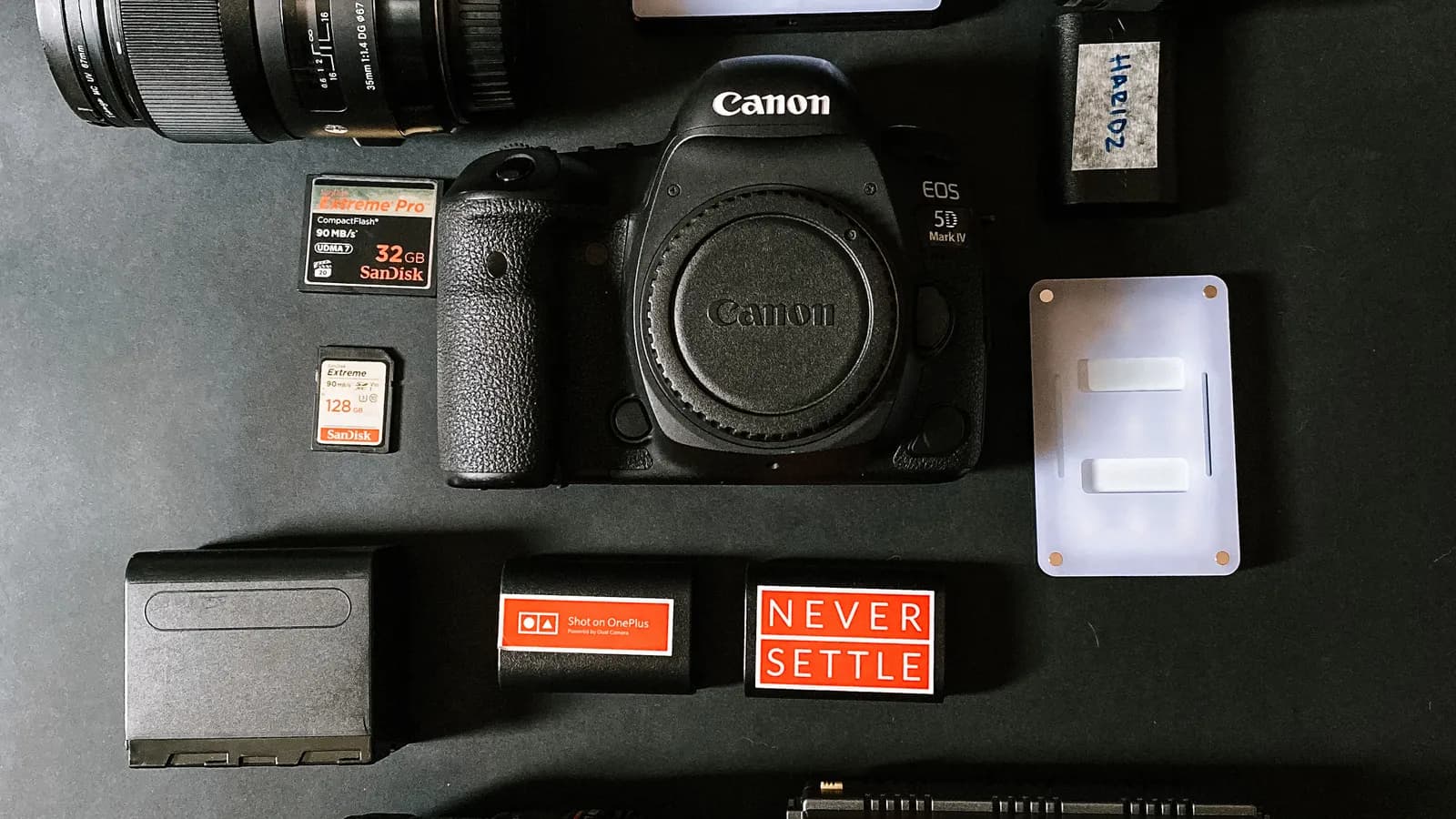
For equipment, check insured locations, off-site storage, theft without forced entry, accidental damage, and valuation basis. Compare new replacement, depreciation, agreed value, and evidence requirements. Disclose high concentrations of value and fleet growth.
Vehicle insurance does not automatically cover cargo. Ask about loading, transit, stops, and delivery. Clarify responsibility when subcontractors transport or install.
Do not confuse deposit, agreement, and insurance
A deposit may help address customer-caused damage under the agreement. It may not finance major theft, warehouse fire, or bodily injury. The rental agreement governs the customer relationship; it cannot turn an insurance exclusion into cover.
Align prohibited uses, areas, qualifications, safety, notification deadlines, and evidence. Contradictory or unusable clauses can make a claim harder.
Ask the insurer to validate concrete scenarios in writing, then have customer clauses reviewed so they reflect the policy.
Review annually and after every significant change
Update the insurer when stock value grows, new equipment arrives, delivery radius expands, staff join, premises change, or installation services are added. Keep invoices, serial numbers, pictures, and maintenance history.
Compare cover, exclusions, limits, deductibles, and claims procedure — not only premium. Ask an authorised professional which policies are mandatory or recommended for your precise case.
- Usage and loss scenarios disclosed
- Entrusted assets, transport, and installation discussed explicitly
- Limits, deductibles, and exclusions compared
- Customer agreement aligned with policy terms
- Review triggered by every important fleet change
Put it into practice
Sources
- Ministère de l’Économie — Professionnels : quelles assurances obligatoires ?Source checked on September 7, 2026
- Entreprendre.Service-Public.fr — Assurances du micro-entrepreneurSource checked on September 7, 2026