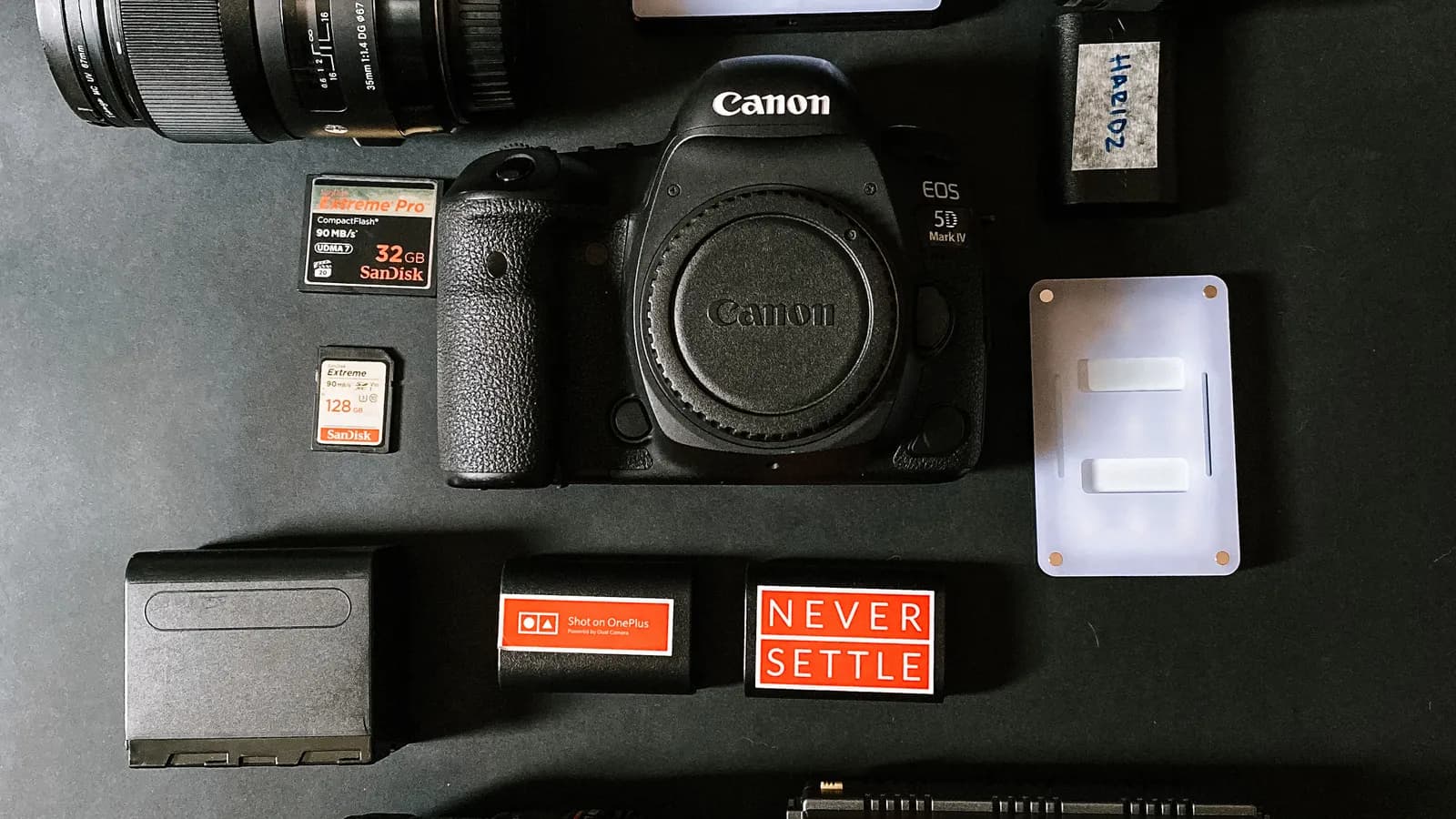
The equipment rental handover and return checklist
A good handover protects equipment and reassures customers. Standardise checks without turning the counter into an administrative obstacle course.
By Louez.io · · 7 min

Handover concentrates risk: a missing accessory, misunderstood instruction, existing damage, or unchecked identity. Return adds pressure from the next customer. A short checklist makes quality repeatable even with several team members.
Adapt technical checks to each equipment family but keep the same sequence. Customers know what to expect and staff miss fewer steps.
Before arrival: prepare and test
Assign a specific unit, gather its accessories, and test the main function. Charge batteries, clean surfaces, and prepare digital or paper documents. When a defect appears, decide before arrival whether it is acceptable, needs replacement, or must be disclosed.
Place the booking in a clearly identified departure area. This prevents another team member assigning it elsewhere while preparation is under way.
At handover: identity, condition, use, agreement
Verify the identity named in the agreement and the deposit method. Review condition with the customer, take dated pictures, and tick off accessories. Demonstrate the two or three actions that prevent most damage, then ask the customer to repeat the critical instruction.
Finish with return time and process: location, contact, fuel or cleaning expectation, and potential late cost. Provide a summary customers can find without searching an old message thread.
- Identity and contact details confirmed
- Agreement and deposit validated
- Pictures and accessories recorded
- Safety instruction demonstrated
- Return time and conditions repeated
At return: acknowledge receipt before full inspection
When possible, inspect with the customer. Otherwise distinguish physical receipt from technical approval and communicate the inspection deadline. Do not approve a dark, wet, or incomplete return when proper checking requires better conditions.
Count accessories, compare photographs, test the primary function, and note cleaning condition. Report factual exceptions promptly. Days of silence weaken trust and make evidence harder to establish.
After return: close or open an exception
When everything is compliant, close the booking, release the deposit within the stated timeframe, and restore availability after preparation. Send thanks and the review request separately from required documents.
For an exception, isolate the item, preserve evidence, and estimate repair. Do not promise an exact deduction before obtaining a quote when cost is uncertain. Record the cause: an instruction or accessory may need improvement before the next hire.
The checklist does more than prove damage: it prevents damage and improves the next rental cycle.